Where Your Cat Chooses to Sleep Says a Lot About How Much They Trust YouParade Pets AI Desk, Morgan McMurrinWed, November 25, 2026 at 12:10 PM UTC
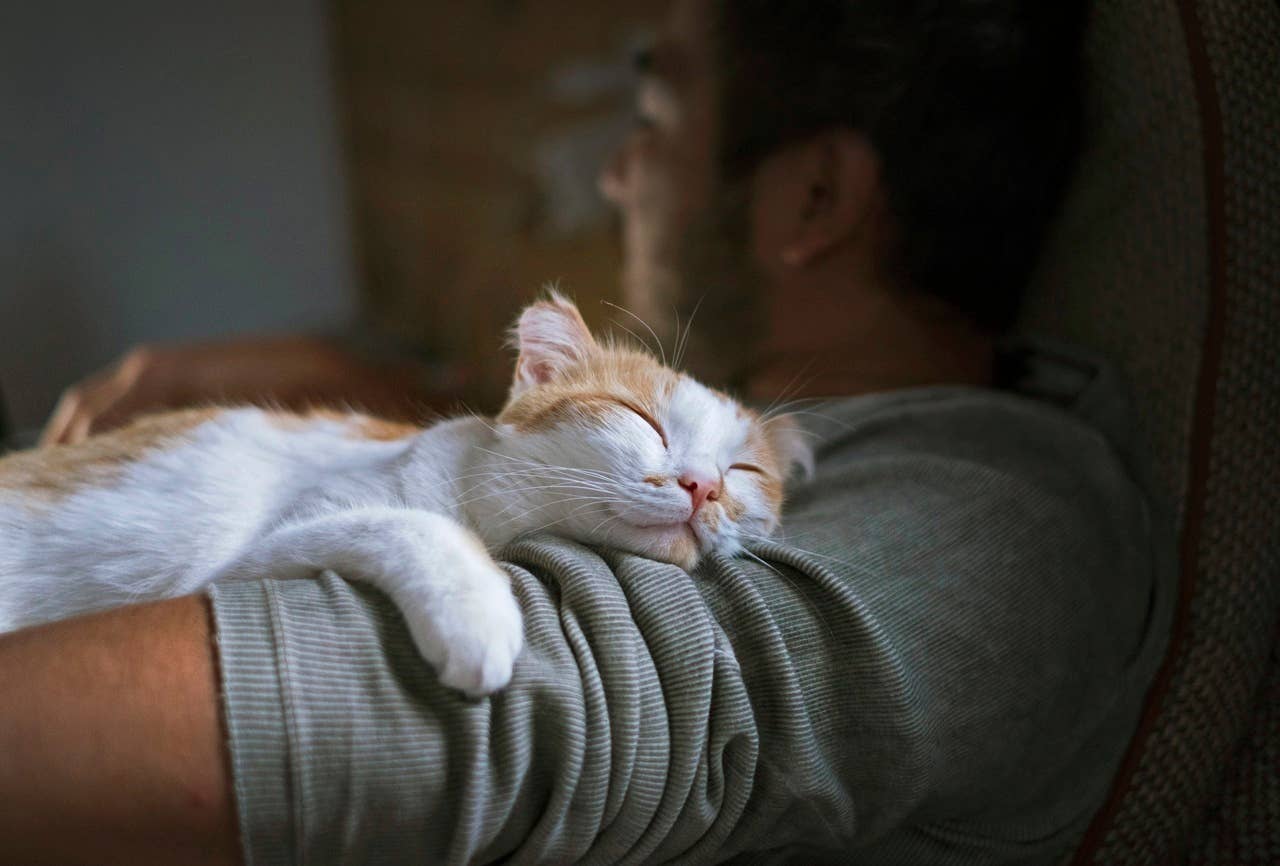
Cats have long carried a reputation for being aloof, fiercely independent creatures that operate entirely on their own terms. Unlike dogs, which often greet their humans with exuberant tail wags and constant physical proximity, felines tend to communicate their affection through much quieter, subtler cues. Because those signals are easy to overlook, many cat parents wonder where they actually stand with their furry roommates. One of the clearest—and most revealing—indicators of your cat’s emotional attachment is surprisingly simple: where they choose to sleep.
According to veterinary experts, a cat’s favorite napping spot is rarely chosen at random. When a feline settles down to rest, they are entering their most vulnerable state, letting their guard down in a way their survival instincts normally caution against. Whether your cat curls up directly on your lap, sleeps out in the open while you are in the room, or tucks themselves away in a hidden corner, that preferred sleeping spot offers a direct window into how secure they feel around you. In fact, choosing to doze near or on you is one of the strongest signs that your cat views you as a trusted source of safety, comfort, and family connection.
To learn more more about cat sleeping positions and meanings keep reading. You may be surprised by what you find out and how it’s related to how much they trust you.
Related: 6 Sweet Reasons Your Cat Waits Outside a Closed Door for You, According to a Vet
Why Your Cat’s Sleeping Spot Is a Major Trust Signal
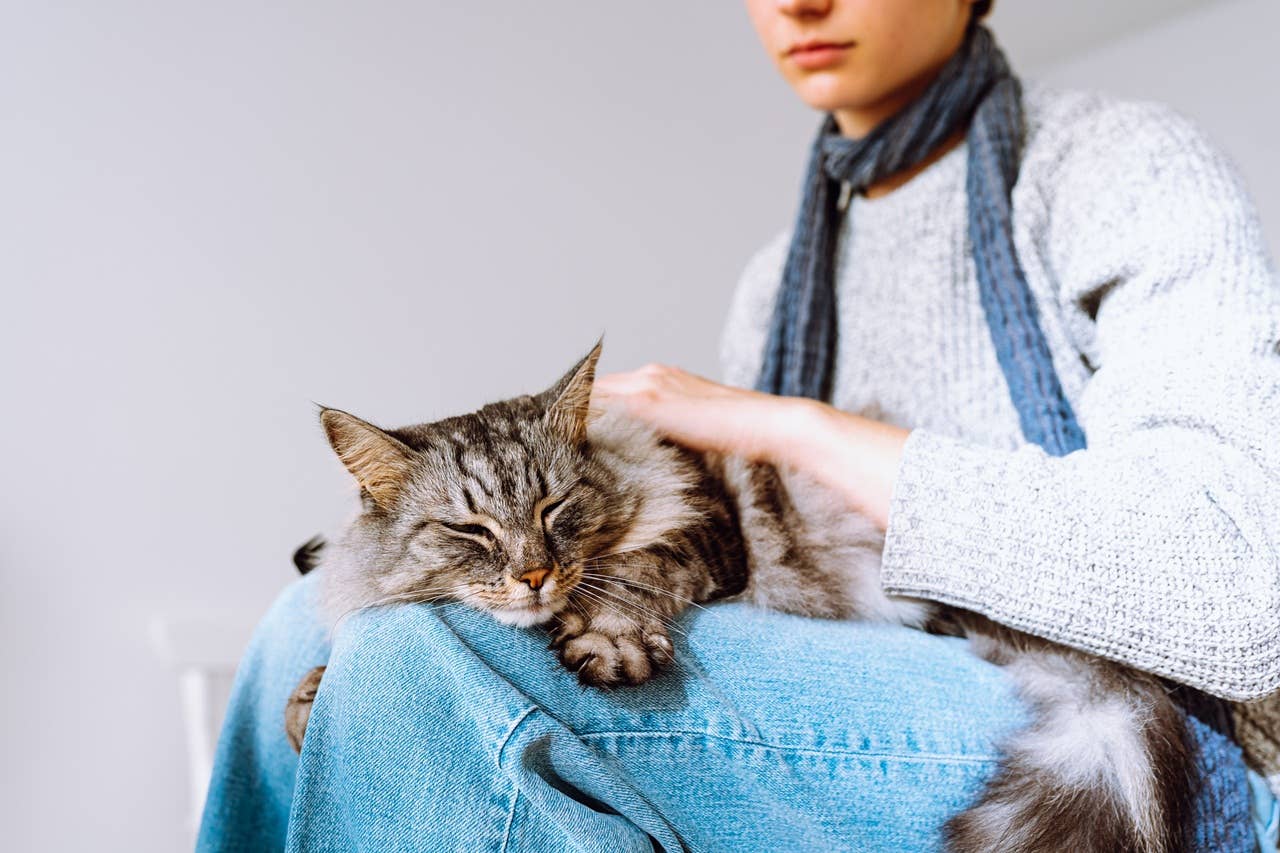
A cat in its favorite sleeping spot.Getty Images Larisa Stefanuyk
In the wild, sleeping leaves felines exposed to potential threats, which is why cats are naturally cautious animals wired to protect themselves. That instinct doesn’t disappear just because your cat lives indoors. Dr. Chyrle Bonk, DVM, a veterinarian contributor for Embrace Pet Insurance, explains that a cat is vulnerable during sleep, making their chosen resting location especially telling. “That’s why some cats often choose to sleep in a hidden area or one where they can survey the area around them,” Bonk says. “If they sleep when you’re around, it means they feel safe with you.”
That sense of security becomes even more meaningful when your cat skips the high perch or the closet floor in favor of your lap. As Bonk notes, cats naturally avoid situations where they feel uneasy, so choosing to settle directly onto you shows they don’t just tolerate your presence—they actively prefer it. Bonk adds that snuggling directly on your lap provides warmth and security, creating a safe space where your cat feels comfortable enough to relax completely and let you pet them.
Even cats with more independent personalities send clear trust signals through their sleeping habits. If your cat prefers curling up at your feet rather than in your lap, Bonk explains that it simply reflects a personal preference for closeness without intense hands-on interaction—not a weaker bond. Similarly, cats that wedge themselves between you and another family member are seeking security and social connection, much like kittens sleeping in a pile.
Related: How Long Can You Leave a Cat Alone? A Veterinarian Shares the Maximum Time
Other Subtle Sleep-Time Behaviors That Prove Your Cat Feels Safe
Where your cat sleeps is only part of the picture. How they behave while settling in or dozing off reinforces that same emotional attachment. If your cat rolls over and exposes their stomach while lounging or sleeping nearby, they are offering one of the highest compliments in feline body language. Because a cat’s stomach lacks bone or thick protection, they instinctively guard it. “When a cat shows you their belly, it’s a sign they feel safe enough around you to let their guard down,” Bonk says.
You might also notice your cat kneading—or “making biscuits”—on your lap or chest right before drifting off, or offering slow blinks while resting in your company. Bonk notes in Parade Pets that kneading stems from kittenhood nursing behaviors and resurfaces in adulthood when a cat feels the same contentment and security they experienced with their mother. Slow blinking, meanwhile, communicates that your presence makes them feel calm and at ease rather than on edge. Together, these quiet bedtime habits confirm that when your cat chooses to sleep near you, you have officially earned their trust.
Adapted from Parade Pets’ “10 Signs Your Cat Is Emotionally Attached to You, Says an Expert” by Beth Ann Mayer, “7 Sweet Signs Your Cat Is Happy, Relaxed and Trusts You” by Beth Ann Mayer and “What Your Cat’s Cuddling Style Says About Your Bond” by Beth Ann Mayer
Source:
Dr. Chyrle Bonk, DVM, a veterinarian contributor for Embrace Pet Insurance
This story was originally published by Parade Pets on Nov 25, 2026, where it first appeared in the Cats section. Add Parade Pets as a Preferred Source by clicking here.
Source: Nature
